Every stage of e-waste recycling from dismantling and shredding to crushing and material separation generates dust. While it may seem like a by-product of the process, this fine particulate matter can affect worker safety, equipment performance, product quality, and environmental compliance if not managed properly. That is why Industrial Dust Collection Systems have become an essential part of modern e-waste recycling facilities.
Whether you are planning a new recycling plant or upgrading an existing one, understanding the role of dust collection systems can help create a cleaner, safer, and more efficient operation.
What Is an Industrial Dust Collection System?
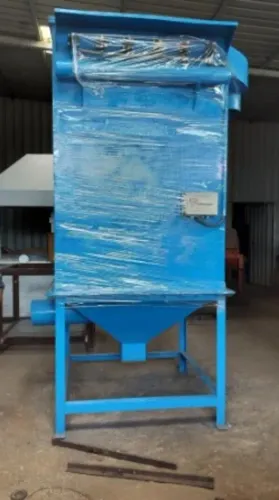
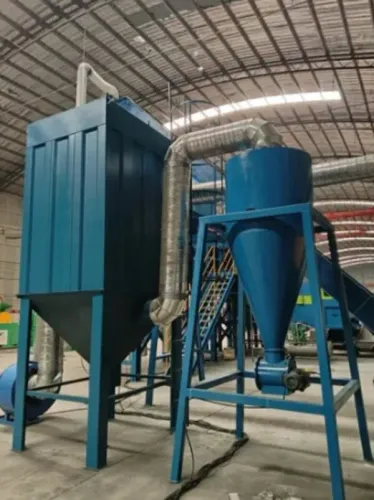
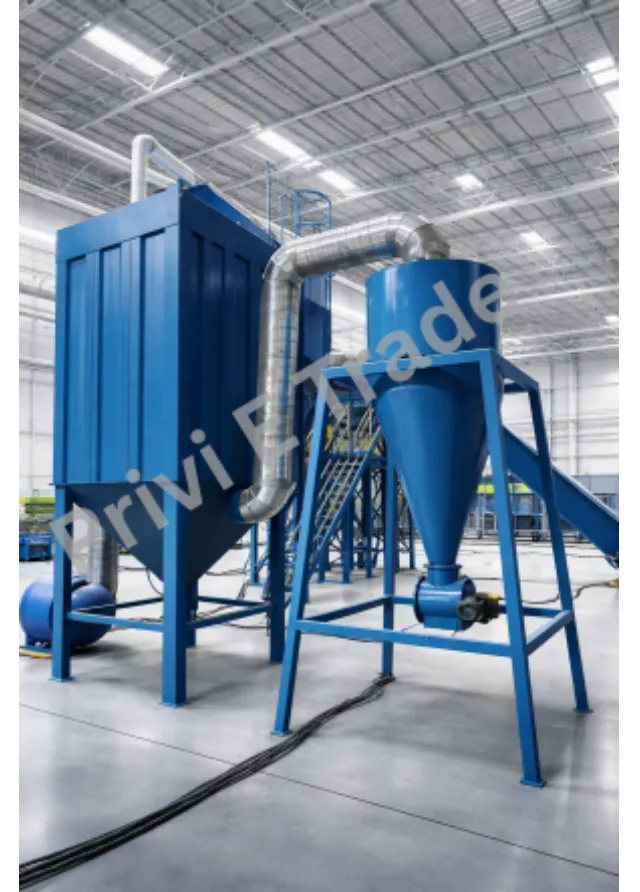
An industrial dust collection system is designed to capture airborne dust and fine particles generated during manufacturing or recycling processes. Instead of allowing contaminants to spread throughout the facility, the system collects, filters, and stores dust for safe disposal or further processing.
In an e-waste recycling plant, dust collectors are commonly connected to:
- PCB shredding machines
- Component removing machines
- Crushing equipment
- Material separators
- Conveyor transfer points
- Metal processing units
- Grinding and screening systems
Proper dust extraction helps maintain a healthier working environment while protecting machinery from excessive dust buildup.
Why Is Dust Control Important in E-Waste Recycling?
Electronic waste contains plastics, metals, fiberglass, coatings, and other materials that produce fine dust during processing. Without effective dust management, recycling plants may face operational and environmental challenges.
Some of the most significant benefits include:
Improved Worker Safety
Fine dust particles can remain suspended in the air for long periods. Efficient dust collection helps improve indoor air quality and creates a safer workspace for employees.
Better Equipment Performance
Dust accumulation inside machinery can reduce efficiency, increase wear, and lead to unplanned maintenance. Removing airborne particles helps equipment operate more consistently.
Cleaner Material Recovery
Excess dust can contaminate separated materials, reducing their quality and value. A well-designed dust collection system helps maintain cleaner output during recycling.
Environmental Compliance
Many industrial facilities are required to control airborne emissions. Proper dust collection supports compliance with workplace safety and environmental regulations.
How Does an Industrial Dust Collection System Work?
Although designs vary depending on plant size and application, most systems follow the same basic process.
Step 1: Dust Capture
Extraction hoods or ducts collect dust directly from the source before it spreads throughout the facility.
Step 2: Air Transportation
A blower or fan moves the dust-laden air through a network of ducts toward the filtration unit.
Step 3: Filtration
High-efficiency filters separate dust particles from the airflow. Depending on the application, different filtration technologies may be used to capture both coarse and fine particles.
Step 4: Dust Collection
The captured dust is stored in collection bins or hoppers for safe disposal or recycling.
Step 5: Clean Air Release
Filtered air is either recirculated within the plant or safely discharged according to applicable environmental standards.
How to Choose the Right Dust Collection System
Selecting the appropriate system requires more than comparing equipment sizes. Businesses should evaluate their processing requirements and future expansion plans.
Consider the following factors:
- Daily processing capacity
- Type of e-waste being recycled
- Dust particle characteristics
- Airflow requirements
- Filtration efficiency
- Energy consumption
- Ease of maintenance
- Filter replacement intervals
- Compliance with workplace safety standards
A properly sized system delivers better performance while reducing long-term operating costs.
Frequently Asked Questions
Can one dust collection system serve multiple machines?
Yes. Many industrial systems are designed to connect several processing machines through a centralized ducting network, making dust management more efficient across the facility.
Does dust collection improve machine life?
Yes. Removing airborne dust reduces buildup inside equipment, helping minimize wear and lowering maintenance requirements.
Is a dust collector only necessary for large recycling plants?
No. Even small and medium-sized facilities benefit from dust control because it improves air quality, protects equipment, and supports cleaner operations.
How often should filters be maintained?
Maintenance schedules depend on production volume, dust load, and operating conditions. Regular inspections and timely filter replacement help maintain consistent performance.
Industry Trends Driving Demand
India's e-waste recycling sector is expanding steadily due to increasing electronic consumption, stricter environmental regulations, and greater awareness of sustainable resource recovery. As new recycling facilities emerge in industrial regions such as Ghaziabad, businesses are placing greater emphasis on workplace safety and efficient pollution control.
Modern recycling plants increasingly integrate industrial dust collection systems into their overall plant design rather than treating them as an optional add-on. This approach improves operational efficiency while supporting long-term environmental responsibility.
Key Takeaways
- Industrial dust collection systems play a vital role in maintaining safe and efficient e-waste recycling operations.
- Effective dust control improves worker safety, equipment reliability, and material quality.
- Proper system design helps facilities meet environmental and workplace compliance requirements.
- Choosing the right filtration capacity ensures consistent performance as production grows.
- Integrating dust collection into the overall recycling process contributes to a cleaner and more productive facility.
Companies such as Privi, based in Ghaziabad, manufacture industrial recycling equipment that can be integrated with efficient dust collection solutions for e-waste processing plants. Evaluating system performance, filtration efficiency, and long-term service support helps businesses build recycling operations that are both productive and environmentally responsible.
Keywords