A furnace quotation is not comparable until it states whether capacity means charge weight, molten-metal output, or hourly throughput, and whether installation, extraction and electrical work are included. You will be able to compare new, used and packaged systems, calculate the delivered operating cost, and test a supplier’s claims against your own scrap before placing an order.
Key takeaways
- Separate batch charge capacity from usable crucible volume and finished ingot output.
- Price the furnace with freight, installation, utilities, tooling, taxes and commissioning included.
- Match furnace type and capacity to your scrap composition, contamination and target metals.
- Ask for drawings, performance data, references, warranty terms and service response times.
What determines furnace price in Ghaziabad?
A 100 kg, 500 kg or 1,000 kg label does not produce a reliable furnace price for metal recovery in Ghaziabad. It may describe batch charge capacity, not usable crucible volume or output. Separate batch charge capacity, usable crucible volume, melt-cycle duration, continuous hourly throughput, charged scrap weight, tapped metal weight and finished ingot output.
Two furnaces marketed as one tonne can therefore have materially different installed prices.
Require every quotation to state:
- Furnace type, feed metal, rated operating temperature in °C, measurement point, heating source, refractory material and thickness.
- Tilting or tapping arrangement, control panel, burner or transformer, and included fume-control equipment.
Do not confuse maximum chamber temperature with controlled melt temperature. Aluminium alloys melt across roughly 570–660°C, while copper alloys commonly melt across roughly 900–1,085°C; the controller must measure the metal or a defined furnace location, not an unspecified maximum.
| Cost driver | What changes the price |
|---|---|
| Crucible and lining | Larger usable volume, refractory thickness and longer lining life raise capital cost; short campaigns raise maintenance cost. |
| Controls and handling | Automation, thermocouples, temperature control, tilting gear and moulds add equipment and commissioning work. |
| Site and emissions | Chimney, ducting, bag filter or scrubber, freight, erection and commissioning can substantially increase the installed total. |
Compare the complete installed quotation, not the ex-works shell. A furnace with a cheaper burner but weak fume control or poor temperature stability can lose more saleable metal through oxidation, dross and prolonged holding.
Which furnace and buying route fit your scrap?
A furnace is the wrong first purchase if your feed still contains batteries, plastics, oils, moisture, insulation, iron or loose PCB residues. Copper wire needs insulation removal; aluminium heatsinks need separation from steel and attached plastics; radiators need stripping and copper-aluminium separation; cast alloys need grade sorting.
PCB-derived concentrates require depollution and removal of residual board material before melting.
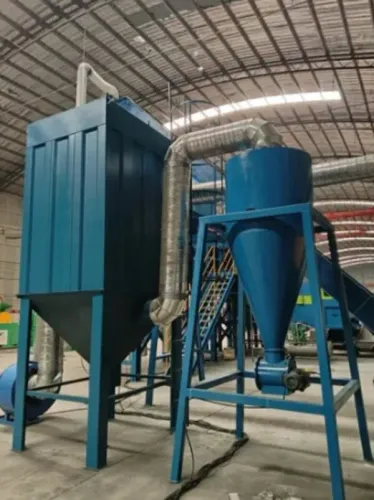
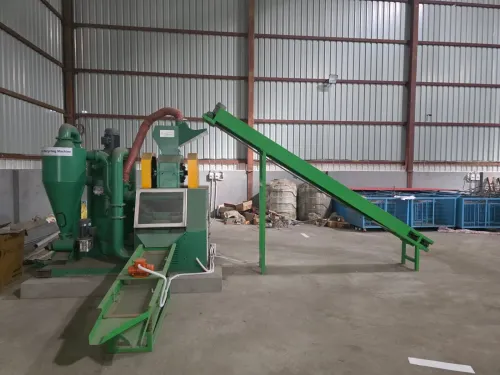
Shredders, sorting systems, magnetic separators, eddy-current separators, radiator strippers and depollution equipment prepare feed. They do not melt it. Buy a furnace for scrap processing only after you can supply clean, dry, saleable batches.
| Option | Best fit | Main risk or requirement |
|---|---|---|
| Standard new model | Repeatable clean feed and a defined batch size | Limited flexibility |
| Custom-built furnace | Unusual alloys, feed shape or emission controls | Longer design and commissioning |
| Used unit | Proven process with technical inspection | Obsolete controls, damaged lining or missing spares |
| Leased capacity | Irregular supply or uncertain sales schedule | Less control over timing and margin |
| Complete plant package | Mixed feed requiring preparation and melting | Higher capital and integration effort |
Fuel-fired furnaces need burner trains, fuel storage, combustion controls and flue-gas treatment. Induction needs transformer capacity, cooling water, power-quality controls and clean feed.
- 100 kg: choose for under 300 kg daily, small batches, limited labour and irregular sales.
- 300 kg: choose for 300–900 kg daily with regular batches and modest storage.
- 500 kg: choose for 900–1,500 kg daily, steady labour and planned ingot sales.
- 1,000 kg: choose only for sustained higher volume, full batches, storage and committed buyers.
How to calculate the delivered metal recovery furnace cost
Start with the delivered metal recovery furnace cost, not the ex-works number. Build the model in this order:
1. Record the furnace shell and heating system separately. Add GST, freight to Ghaziabad, foundation, lifting, erection and refractory commissioning, then price the electrical panel, cabling, transformer, cooling-water system, fuel line, chimney, ducting, hood, spark arrestor, bag filter, scrubber, stack and operator training.
2. Add annual operating costs: fuel or electricity per tonne, labour, crucible or electrode replacement, refractory repairs, thermocouple and burner servicing, slag disposal, wastewater or scrubber treatment, calibration and downtime. Oxidation, prolonged holding and repeated remelting turn saleable copper or aluminium into dross, so a cheap furnace can cost more through recovery loss.
3. Require a written guarantee based on feed composition, charge size, cycle time, operating hours, target recovery, dross percentage, fuel or electricity consumption, temperature stability and emissions performance. “One tonne capacity” is meaningless unless the supplier states whether it means charged scrap, tapped metal or finished ingot.
Use a worksheet with these columns: delivered capital, annual tonnes, energy cost per tonne, labour, maintenance, recovery loss, downtime and saleable tonnes. Calculate cost per tonne as annualised delivered capital plus operating costs and lost-metal value, divided by saleable tonnes. Compare suppliers on that figure, not the lowest quotation.
How to verify an industrial furnace supplier before ordering
Do not choose an industrial furnace supplier in Ghaziabad on location or a “1,000 kg” claim. Compare it with a furnace manufacturer near Delhi or another Delhi-NCR location using the same evidence.
Inspect the factory before paying an advance. Check serial-numbered burners, transformers, crucibles and instruments; examine refractory thickness and workmanship; open the control cabinet; and visit completed installations. Ask for references processing the same metal, scrap chemistry, batch size and pollution-control configuration.
| Supplier | Evidence to require | Reject if |
|---|---|---|
| Ghaziabad supplier | Factory inspection, matching references and witnessed trial | No traceable components or site access |
| Delhi-NCR supplier | Identical test basis and service commitments | Reference uses cleaner, different scrap |
| Any supplier | Signed melt and emissions records | Only brochure capacity is provided |
Require a witnessed test melt with representative customer scrap. Sign records for heat-up time, melt recovery, slag percentage, fuel or power consumption, temperature stability, ingot quality and emissions-control performance.
Make the quotation state:
- Body dimensions, usable crucible volume, rated batch size and hourly output
- Heat-up time, fuel consumption or connected load, refractory grade and campaign life
- Thermocouple type, controller make, lining replacement cost and spare-parts list
- Warranty exclusions, delivery date, commissioning, training and service-response time
Evaluate Privi by this same schedule: compare its proposed specification, test results and after-sales terms, not its location or broad capacity claim. A supplier that will not define feed, cycle time and acceptance results has not demonstrated suitability.
Related products
 | COPPER / ALUMINIUM MELTING FURNANCE COPPER / ALUMINIUM MELTING FURNANCE Copper/Aluminium Melting Furnace melts pure metal from e-waste recycling into ingots for resale Tilting crucible design (100-1000kg capacity) pours... View product → |
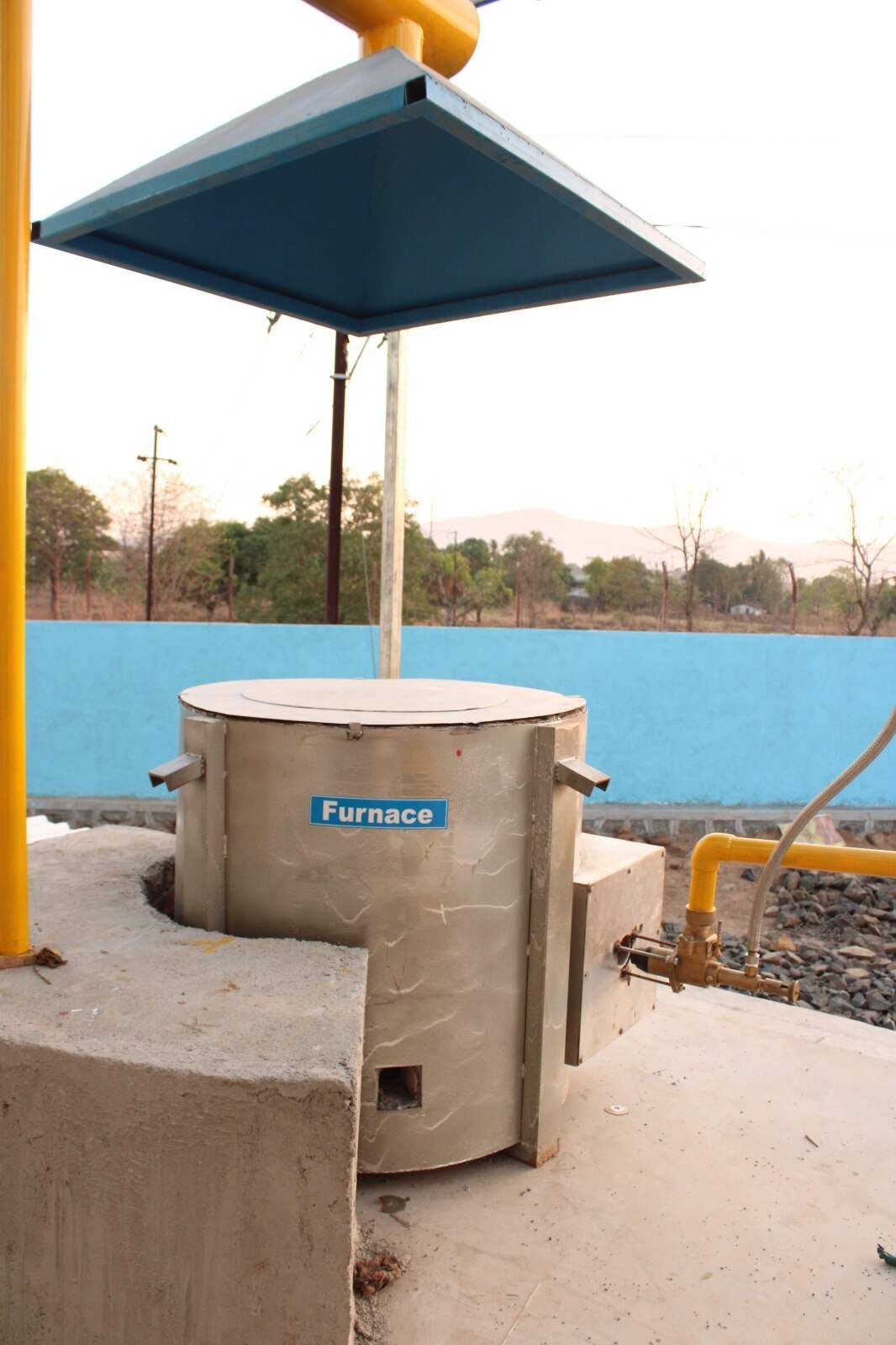
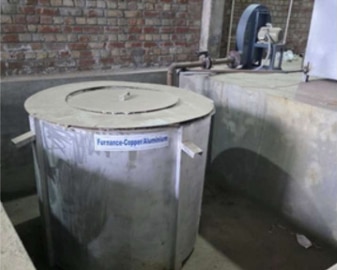 | FURNACE FURNACE USE FOR:- MELTINC THE METALS COPPER AND ALUMINUM. MODEL NO. PT-FRCU-300 CAPACITY:- 100-1000KG/H WEIGHT:-12SOKG APPROX. |
What must be ready before the first melt?
Before the first melt, have the site, approvals, utilities, safety controls and operating procedure ready—not merely a delivered furnace. Obtain a qualified local review of the factory layout, Consent to Establish and Consent to Operate under the applicable Uttar Pradesh Pollution Control Board process, fire-safety requirements, fuel storage, electrical connection, air-emission controls and waste handling.
E-waste and hazardous-waste authorisations are separate questions.
Confirm these installation details before ordering:
- Foundation strength, lifting access, mould space and clearance through the complete tilting path.
- Chimney height, hood, duct route, spark control and bag filter or scrubber connection.
- Fuel line, emergency shutoff, burner interlocks, gas-train safeguards, electrical earthing and ventilation.
- Transformer and connected load for induction equipment, cooling-water flow and temperature limits.
- Written handling arrangements for slag, dross, spent refractory, filters and contaminated waste.
Run the melt in this order:
- Inspect sorted, dry feed and remove batteries, plastics, oils, moisture and iron.
- Charge the furnace, melt under temperature control, remove slag and take a sample.
- Verify alloy identity, temperature and composition before tilting or tapping.
- Fill moulds, cool the ingots and record their weights.
Keep copper and aluminium alloys separated. Record charged weight, dross weight, recovered metal and losses for every heat, then confirm composition with a calibrated spectrometer. Inspect crucibles and refractory each shift, service burners and blowers to the manufacturer’s schedule, check thermocouples weekly and calibrate instruments at the stated interval.
Accept the furnace only after a witnessed test melt meets the agreed charge, cycle time, recovery, dross, energy use, temperature stability, emissions and ingot-quality figures in a signed performance guarantee.
Frequently asked questions
What determines furnace price in Ghaziabad?
Price depends on furnace type, usable crucible volume, heating system, automation, refractory lining, controls, pollution equipment, installation and the required melt rate. Confirm whether the quoted capacity means batch charge, crucible volume, hourly throughput or finished metal output.
Which furnace should I buy for scrap processing?
Choose after identifying your scrap metal, contamination, charge size, target recovery, melt-cycle time and required output. Compare induction, gas-fired and electric resistance designs against your power or fuel supply, temperature control needs and operating scale.
How do I calculate the delivered metal recovery furnace cost?
Add the quoted furnace price to packing, freight, insurance, taxes, unloading, foundations, electrical or gas work, exhaust equipment, installation, commissioning, crucibles, refractory materials and operator training. Also price recurring power, fuel, consumables and maintenance.
How can I verify an industrial furnace supplier in Ghaziabad?
Request the legal company details, GST invoice capability, technical drawings, warranty terms, commissioning scope, reference installations and service contacts. Check that the supplier can demonstrate the specified batch capacity, melt-cycle time and recovery results using your scrap or a comparable charge.
What must be ready before the first melt?
Prepare the foundation, electrical or gas connection, ventilation and exhaust route, cooling system, lifting equipment, crucibles, charge preparation area, PPE, fire controls, trained operators and a documented start-up procedure.
Keywords