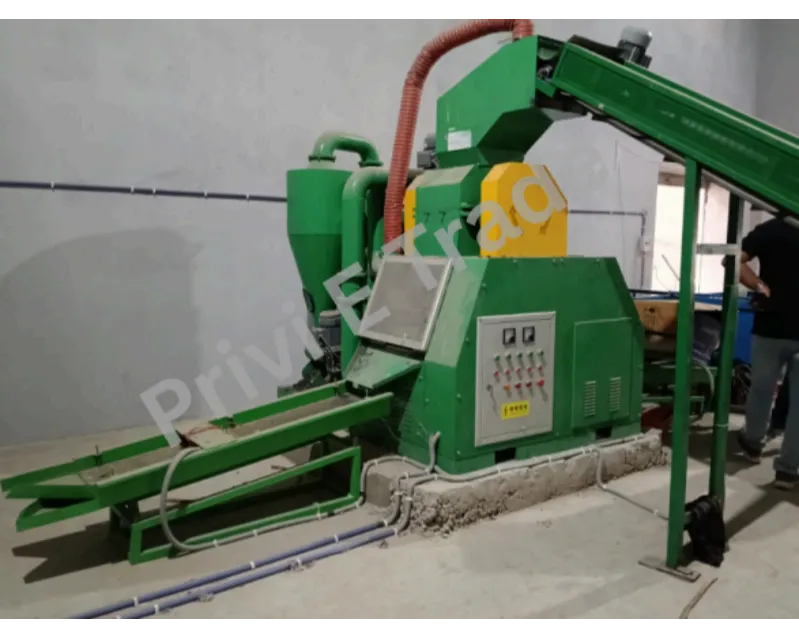
Printed circuit boards (PCBs) are often called the heart of electronic devices because they connect and control essential components. When these devices reach the end of their life, PCBs become one of the most valuable parts of the recycling process. They contain recoverable metals such as copper, gold, silver, tin, and palladium, making them a key focus for electronics recyclers.
For businesses planning an e-waste recycling facility, investing in a reliable PCB Recycling Machine can significantly improve material recovery, operational efficiency, and environmental compliance. Understanding how these machines work is the first step toward building a sustainable recycling operation.
Why Are Printed Circuit Boards Worth Recycling?
Electronic waste is growing rapidly across India, and PCBs account for a significant share of its recoverable value. Instead of allowing valuable materials to end up in landfills, modern recycling technologies enable businesses to extract reusable resources for industrial applications.
A properly processed PCB can help recover:
- Copper used in conductive pathways
- Gold from connectors and contacts
- Silver found in electronic circuits
- Tin and lead from solder joints
- Small quantities of precious metals used in high-performance electronics
Recovering these materials reduces dependence on mining while supporting a more circular economy.
How Does a PCB Recycling Machine Work?
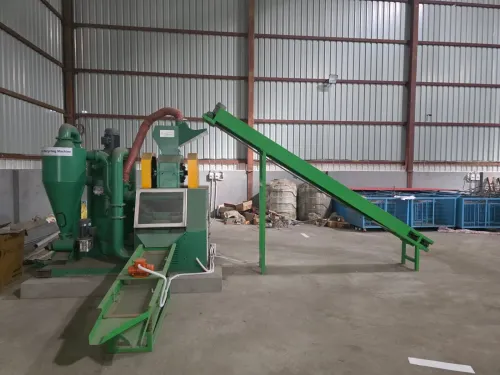
A PCB recycling machine processes electronic circuit boards through multiple stages to separate valuable materials efficiently.
A typical workflow includes:
1. Initial Inspection and Sorting
Circuit boards are sorted based on their type, size, and material composition. Proper segregation improves recovery efficiency and minimizes contamination.
2. Size Reduction
The boards are fed into crushing or shredding equipment, where they are broken down into smaller particles for easier separation.
3. Material Separation
Using mechanical techniques such as air classification, magnetic separation, gravity separation, or electrostatic separation, the machine isolates different materials from the crushed PCB fragments.
4. Metal Recovery
The separated metal-rich material is collected for further refining or resale, while non-metallic fractions may be processed for additional industrial applications.
This multi-stage approach improves recovery rates while reducing material loss.
Benefits of Using PCB Recycling Machines
Modern recycling equipment offers several operational advantages.
Higher Material Recovery
Advanced separation technology allows businesses to recover a greater percentage of valuable metals compared to manual processing.
Improved Workplace Safety
Automated systems reduce direct worker exposure to sharp components, hazardous dust, and repetitive dismantling tasks.
Better Processing Efficiency
Machines process larger volumes consistently, making them suitable for commercial recycling facilities.
Environmental Protection
Efficient recovery reduces landfill waste and supports responsible disposal of electronic materials.
Consistent Output Quality
Uniform processing produces cleaner recovered materials that are easier to refine or sell.
Who Can Benefit from PCB Recycling Equipment?
PCB recycling machines are widely used by:
- Electronics recycling companies
- E-waste processing plants
- Industrial recycling businesses
- Government-authorized recycling facilities
- Scrap processing companies
- Plant setup consultants
- Entrepreneurs entering the recycling sector
As India's electronics manufacturing and consumption continue to expand, demand for organized recycling infrastructure is also increasing.
Frequently Asked Questions
Can PCB recycling machines process all circuit boards?
Most industrial machines are designed to handle a wide range of printed circuit boards, although processing methods may vary depending on board thickness, material composition, and attached components.
Is manual dismantling still required?
In many facilities, certain components are removed before mechanical processing. Combining manual dismantling with automated recycling often delivers the best results.
Are PCB recycling machines environmentally friendly?
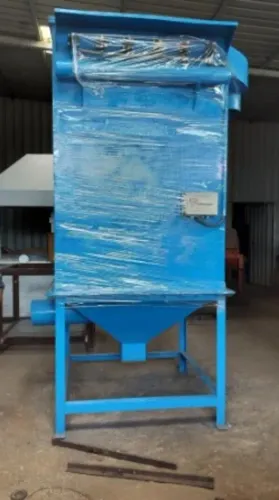
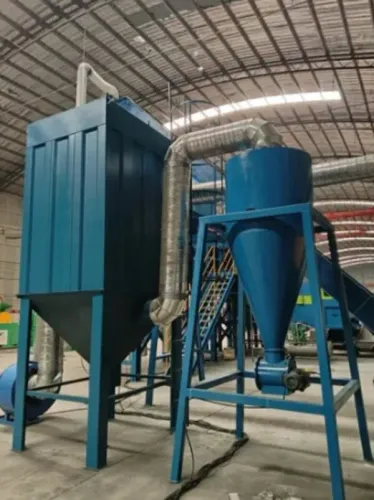
Yes. Modern systems are designed to minimize material loss, reduce dust generation, and improve resource recovery. When paired with industrial dust collection systems, they help create a cleaner and safer recycling environment.
What should buyers evaluate before purchasing a machine?
Important considerations include:
- Processing capacity
- Recovery efficiency
- Automation level
- Energy consumption
- Maintenance requirements
- Spare parts availability
- Technical support
- Future scalability
Industry Insights
According to the Global E-waste Monitor published by the United Nations, electronic waste generation continues to increase worldwide, while only a fraction is formally recycled. This highlights the growing need for efficient recycling technologies that can recover valuable resources and reduce environmental impact.
For businesses in industrial regions such as Ghaziabad and across India, investing in advanced PCB recycling equipment supports both commercial opportunities and sustainable waste management goals.
Key Takeaways
- PCB recycling helps recover valuable metals that would otherwise be lost.
- Modern recycling machines improve efficiency, safety, and recovery rates.
- Automated separation technologies reduce contamination and increase material value.
- Choosing scalable machinery prepares businesses for future growth.
- Efficient PCB recycling contributes to responsible resource management and environmental sustainability.
Manufacturers such as Privi develop PCB recycling solutions that integrate with complete e-waste processing lines. Evaluating equipment performance, technical capabilities, and long-term support can help recycling businesses establish reliable operations while meeting the evolving demands of India's growing electronic waste sector.
Keywords