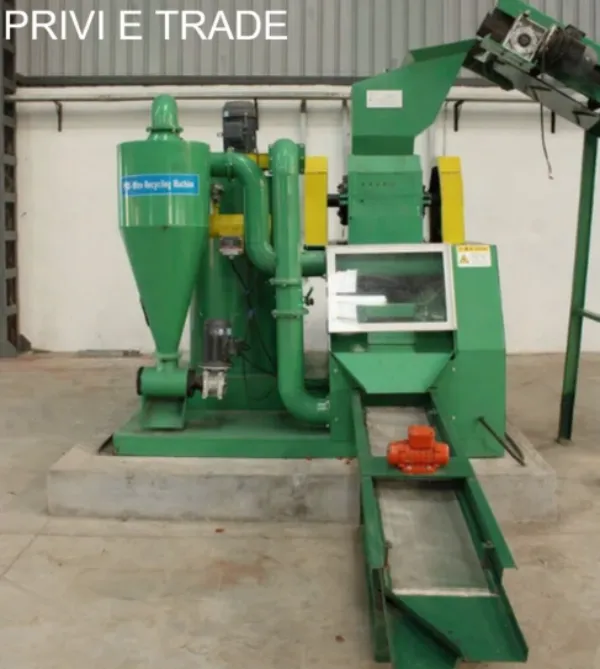
India is one of the world's fastest-growing producers of electronic waste. With increasing use of smartphones, computers, household appliances, and industrial electronics, the demand for organized recycling has become more important than ever. Businesses, entrepreneurs, and municipal authorities planning an e-waste recycling facility often begin by searching for a reliable E Waste Management Machines Manufacturer in India.
Selecting the right machinery is about much more than processing discarded electronics. It directly affects productivity, worker safety, material recovery rates, environmental compliance, and long-term profitability. Understanding the equipment involved can help investors make informed decisions before establishing a recycling plant.
What Are E-Waste Management Machines?
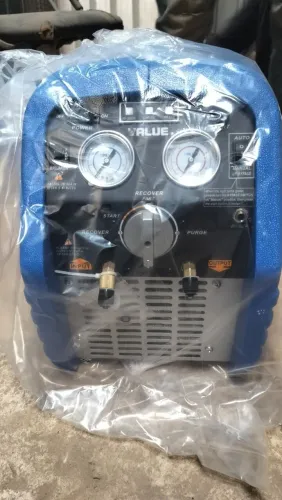
E-waste management machines are specialized industrial systems designed to safely dismantle, separate, recover, and process valuable materials from discarded electrical and electronic equipment.
A complete recycling setup may include:
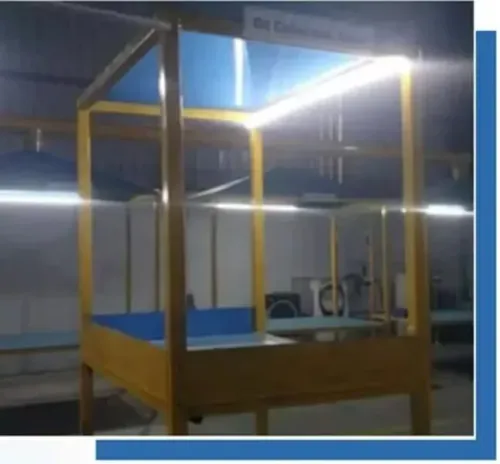
- Manual or semi-automatic dismantling stations
- Component removing machines
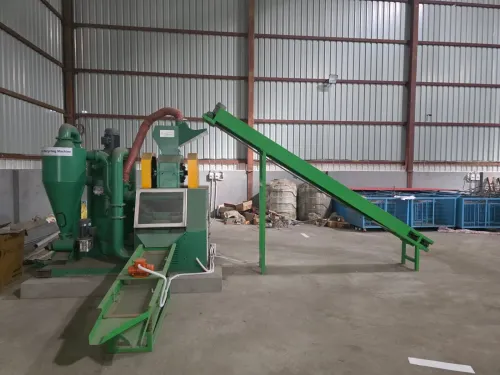
- PCB recycling machines
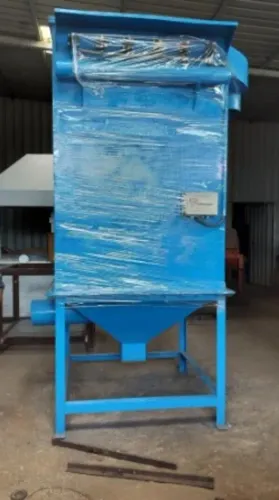
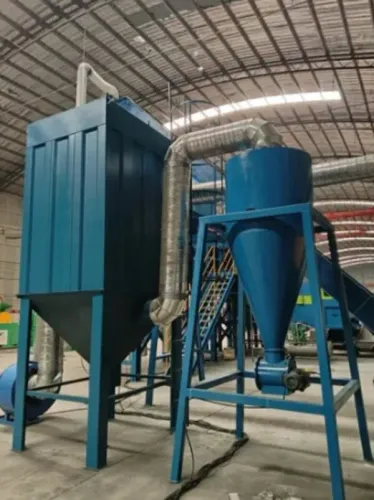
- Industrial dust collection systems
- Material separation equipment
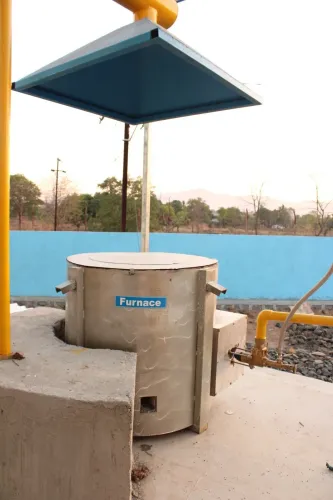
- Copper and aluminium melting furnaces
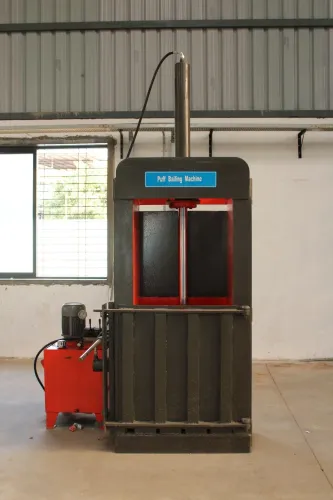
- Storage and handling systems
Each machine performs a specific function while contributing to a streamlined recycling process.
Why Is Proper Machinery Important?
Modern electronic products contain valuable metals alongside hazardous substances. Without suitable equipment, recovering reusable materials becomes inefficient and potentially unsafe.
High-quality machinery helps businesses:
- Improve recovery rates for valuable metals
- Reduce environmental pollution
- Protect workers from harmful dust and emissions
- Increase operational efficiency
- Support compliance with Indian environmental regulations
- Minimize material loss during processing
These benefits become increasingly important as recycling volumes continue to grow across India.
Essential Machines Found in an E-Waste Recycling Plant
A successful recycling facility typically combines several specialized machines rather than relying on a single processing unit.
Component Removing Machines
These systems safely separate electronic components from printed circuit boards before further processing. Removing reusable parts at an early stage helps maximize resource recovery while reducing waste.
PCB Recycling Machines
Printed circuit boards contain valuable metals such as copper, gold, silver, and palladium. PCB recycling machines are designed to recover these materials efficiently while minimizing contamination.
Industrial Dust Collection Systems
Dust generated during shredding, dismantling, and material separation can affect worker safety and equipment performance. Industrial dust collection systems help maintain cleaner workspaces and improve operational efficiency.
Copper Aluminium Melting Furnaces
Recovered metals often require melting and purification before reuse. Controlled melting furnaces improve metal quality and prepare recovered materials for industrial applications.
How to Choose the Right E-Waste Recycling Equipment
Businesses planning a recycling facility should evaluate more than just machine specifications.
Consider the following factors:
- Expected daily processing capacity
- Types of electronic waste handled
- Automation requirements
- Energy efficiency
- Safety features
- Ease of maintenance
- Availability of technical support
- Future expansion possibilities
Investing in scalable machinery allows facilities to accommodate growing recycling volumes without major infrastructure changes.
Common Questions Before Investing
How much automation is necessary?
The answer depends on production goals. Small recycling units may begin with semi-automatic equipment, while larger facilities often benefit from fully integrated processing lines that improve consistency and reduce labour requirements.
Can one machine process every type of e-waste?
No. Different categories of electronic waste require different processing techniques. A well-designed recycling plant combines multiple machines to achieve efficient material recovery.
Is dust control really necessary?
Yes. Fine dust generated during dismantling and crushing can affect employee health, equipment life, and regulatory compliance. Proper dust collection is considered an essential part of modern recycling facilities.
Industry Trends Driving Machinery Demand
Several developments are increasing demand for advanced recycling equipment across India.
These include:
- Growing electronic device consumption
- Expansion of formal recycling infrastructure
- Increased awareness of circular economy practices
- Higher recovery value of precious metals
- Stricter environmental compliance expectations
- Greater investment in sustainable manufacturing
Industrial regions across Uttar Pradesh, including Ghaziabad, are witnessing increased interest in organized recycling infrastructure because of expanding manufacturing and electronics sectors.
Key Takeaways
- E-waste recycling requires multiple specialized machines working together.
- Proper equipment improves recovery efficiency and workplace safety.
- Dust collection and material separation are essential for consistent operations.
- Selecting scalable machinery supports future business growth.
- Careful planning reduces operational challenges and improves long-term returns.
Companies such as Privi, an industrial recycling equipment manufacturer based in Ghaziabad, develop machinery designed for different stages of electronic waste processing. Reviewing equipment capabilities, technical support, and long-term service before making an investment helps businesses build efficient recycling facilities that remain productive as industry demands continue to evolve.
Keywords